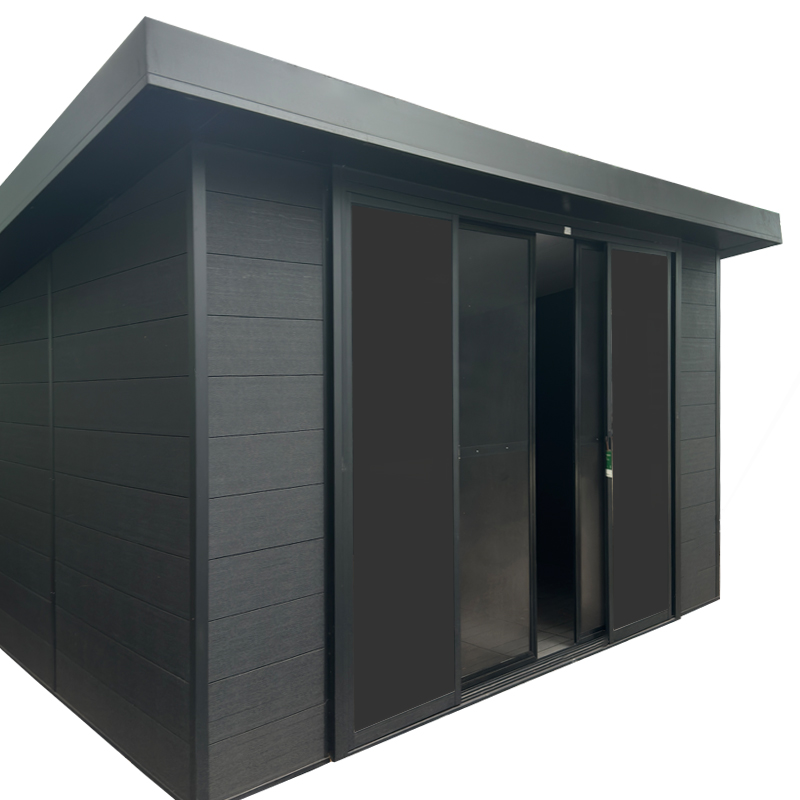
Wood-Plastic Composite (WPC) Houses: Ushering in a New Era of Green Construction
What Exactly Is a WPC House?
We start with a question to pique readers’ curiosity: Have you ever heard of a house that combines the natural texture of wood with the durability of plastic, while being highly eco-friendly? That’s a Wood-Plastic Composite (WPC) House.
In essence, a WPC house is a new type of green building constructed using wood-plastic composite materials as its core structural and decorative components. These WPC materials are made by blending recycled wood fibers (such as sawdust, wood shavings, or waste wood) with plastic resins (like polyethylene or polypropylene), along with small amounts of additives (for enhancing stability and weather resistance). Through high-temperature extrusion and molding, the materials form boards, profiles, and other components that are then assembled into a complete house. Unlike traditional wooden houses that are prone to rot or metal houses that conduct heat easily, WPC houses boast a unique structure that merges environmental friendliness, durability, and aesthetics.
Unveiling the Major Advantages of WPC Houses
Eco-Friendly & Energy-Efficient: Leading the Way in Green Living
When it comes to environmental protection, WPC houses outperform buildings made of traditional materials by a wide margin.
First, in terms of resource utilization, WPC materials rely heavily on recycled resources. The wood fibers used are often waste from the timber industry, and the plastic resins can include recycled plastic waste (such as discarded plastic bottles or packaging). This not only reduces the demand for virgin wood (helping to protect forests) but also diverts plastic waste from landfills or incineration, easing environmental pressure.
Second, in energy consumption and emissions, the production process of WPC materials requires lower energy input compared to that of cement, steel, or traditional wooden materials. During the use phase, WPC houses have excellent thermal insulation performance (we’ll elaborate on this later), which reduces the energy needed for heating in winter and cooling in summer. Studies show that WPC houses can cut annual energy consumption for indoor temperature regulation by 30%-50% compared to brick-and-concrete houses. Additionally, WPC materials do not release harmful substances like formaldehyde (unlike some composite wood boards with toxic adhesives), and they avoid the air pollution caused by cement dust or the water pollution from steel production—making them a true “zero-pollution” building option.
Convenient Construction: Significantly Shortening Construction Periods
The construction mode of WPC houses is a game-changer compared to traditional on-site construction.
Most components of WPC houses (such as wall panels, floorboards, roof trusses, and door/window frames) are prefabricated in factories. Workers in professional factories produce standardized components according to design drawings, ensuring consistent quality and precision. When transported to the construction site, the components are assembled like “building blocks”—there’s no need for time-consuming processes such as on-site mixing of cement, bricklaying, or wood cutting.
For example, a 100-square-meter WPC house can be fully assembled on-site in just 7-10 days, whereas a brick-and-concrete house of the same size typically takes 2-3 months. This not only saves a lot of labor costs but also minimizes the impact of construction on the surrounding environment (less noise, less construction waste, and no damage to the site’s soil). Even in remote areas with limited construction resources, WPC houses can be built quickly, making them ideal for urgent construction needs.
Outstanding Performance: Elevating the Living Experience
Many people worry that “eco-friendly” materials might compromise performance, but WPC houses shatter this misconception with their exceptional capabilities.
Thermal insulation: The cellular structure of WPC materials gives them excellent thermal resistance. In winter, WPC walls can effectively retain indoor heat, keeping rooms warm without excessive heating; in summer, they block external heat from entering, maintaining a cool indoor environment. A real-world test in northern China showed that a WPC house maintained an indoor temperature of 18-22°C in January (when outdoor temperatures dropped to -15°C) with only minimal use of a small heater.
Fire and earthquake resistance: WPC materials are treated with flame-retardant additives during production, giving them a fire resistance rating of B1 (a high level for building materials), which is much safer than traditional wooden houses. In terms of earthquake resistance, the lightweight nature of WPC components (about 1/3 the weight of brick-and-concrete structures) reduces the overall load of the house, and the flexible connection between components allows for better absorption of seismic energy—making WPC houses suitable for areas with moderate seismic activity.
Corrosion and stability: Unlike wood, WPC materials do not rot, warp, or attract termites; unlike metal, they do not rust. Even in humid coastal areas or regions with frequent rain, WPC houses can remain intact for decades without regular maintenance (such as painting or anti-corrosion treatments). A WPC resort built in a coastal city in southern China has been in use for 8 years, and its exterior walls still look as good as new.
Flexible Decoration: Meeting Personalized Needs
WPC houses are not “one-size-fits-all”—they offer great flexibility in decoration to cater to different aesthetic preferences.
The surface of WPC wall panels and floorboards can be processed to mimic various textures, such as natural wood grain (oak, pine, teak), stone patterns, or even modern solid colors. This means you can decorate your WPC house in a variety of styles: a rustic cabin style with wood-grain panels, a minimalist modern style with solid white walls, or a tropical style with bamboo-patterned components.
Moreover, WPC materials can be easily combined with other decorative materials, such as glass (for large windows or skylights), metal (for railings or door handles), or plants (for vertical greening on exterior walls). For instance, a private WPC courtyard house in a suburban area uses WPC floorboards for the patio, paired with glass sliding doors and potted plants, creating a cozy “indoor-outdoor integration” living space. Whether you prefer a quiet rural vibe or a trendy urban look, WPC houses can bring your vision to life.
Application Scenarios of WPC Houses
Thanks to their versatility, WPC houses have found wide application in various scenarios:
Tourism and scenic areas: Many scenic spots now use WPC houses as cabins, resorts, or visitor centers. Their natural appearance blends seamlessly with the surrounding landscape (such as mountains, forests, or lakes), and their quick construction minimizes disruption to the ecological environment. For example, a national forest park in western China has built 20 WPC cabins, which have become a popular check-in spot for tourists while protecting the forest ecosystem.
Municipal construction: WPC houses are also used in public facilities, such as community service stations, public toilets in parks, or temporary offices for urban construction projects. Their durability and low maintenance needs make them cost-effective for long-term public use.
Rural housing: In rural areas undergoing renovation, WPC houses are an ideal choice for new residences. They are affordable (the cost per square meter is comparable to that of brick-and-concrete houses), easy to build (no need for complex construction teams), and suitable for rural living needs (such as large yards or storage spaces). Some villages in central China have promoted WPC houses as part of their “beautiful village” project, improving villagers’ living conditions while preserving the rural style.
Private courtyards and temporary buildings: For homeowners with private yards, WPC houses can be used as garden pavilions, storage rooms, or home offices. They are also widely used as temporary buildings, such as construction site dormitories, disaster relief shelters, or exhibition halls—thanks to their portability (components can be disassembled and reused) and quick setup.
Current Development Status and Future Trends of WPC Houses in China
Current Development Status
In recent years, with the Chinese government’s emphasis on “green development” and “carbon neutrality,” the WPC house industry has entered a period of rapid growth.
Market scale: According to data from the China Green Building Association, the market size of China’s WPC building industry reached 18.6 billion yuan in 2024, a year-on-year increase of 25%. More and more construction companies and real estate developers are investing in WPC house projects, and consumer awareness of WPC houses is gradually rising.
Technological progress: Domestic enterprises have made significant breakthroughs in WPC material technology—for example, developing high-strength WPC materials suitable for load-bearing structures (previously, WPC materials were mainly used for non-load-bearing parts) and improving the fire resistance and thermal insulation performance of materials. Some companies have also launched intelligent WPC houses, integrating smart home systems (such as automatic temperature control and remote monitoring) into the design.
Policy support: Many local governments have introduced preferential policies to promote WPC houses. For instance, in some provinces, using WPC materials for rural housing renovation can qualify for subsidies; in urban areas, WPC buildings are given priority in green building certification (which brings tax benefits to developers).
However, challenges remain: the high cost of some high-end WPC materials (limiting their popularity in low-income groups), the lack of unified national standards for WPC house construction (leading to uneven quality in some projects), and the need for further promotion of WPC houses in underdeveloped regions.
Future Trends
Looking ahead, the future of WPC houses in China is full of potential, with several key trends emerging:
Higher environmental performance: As environmental regulations become stricter, WPC materials will rely more on 100% recycled resources, and the production process will move toward “zero carbon emissions” (using renewable energy such as solar power for production).
Integration with smart technology: WPC houses will be more closely combined with the Internet of Things (IoT) and smart home systems. For example, WPC wall panels may be embedded with sensors to monitor indoor air quality, or the house’s structure may be designed to be compatible with autonomous cleaning robots.
Customization and modularization: To meet diverse needs, WPC house companies will offer more modular products—customers can choose different combinations of components (such as room size, number of floors, or decoration style) to “customize” their houses, with even shorter construction periods (possibly 3-5 days for assembly).
Expansion to more regions: With technological improvements and cost reductions, WPC houses will gradually enter underdeveloped areas in central and western China, becoming a key part of rural revitalization and poverty alleviation efforts. They may also be promoted in overseas markets (such as Southeast Asia, where the climate is suitable for WPC materials), boosting China’s export of green building technologies.
Conclusion
Wood-Plastic Composite houses are more than just a new type of building—they represent a shift toward a greener, more efficient, and more personalized way of living. With their eco-friendly features, convenient construction, outstanding performance, and flexible decoration, they are well-positioned to address many challenges in China’s construction industry, such as high energy consumption, environmental pollution, and slow construction.
As technology advances and policies support, WPC houses will undoubtedly become more popular in the coming years. Whether you are planning to build a vacation home, renovate a rural residence, or invest in a green building project, WPC houses are a worth considering option. By choosing WPC houses, we not only create a more comfortable living space for ourselves but also contribute to the cause of environmental protection and sustainable development. Let’s embrace the new era of green construction brought by WPC houses!